Tennessee men's basketball players and the athletes' association Athletes.org released the first collective bargaining term sheet in college sports on Tuesday, proposing a salary cap, spending floor, and penalties that could strip schools of up to 100% of conference payouts for cheating. The move comes as the Protect College Sports Act (PCSA), which passed the Senate 77-22 on September 28, faces a December 17 House deadline before the new Congress is sworn in on January 3.
Competing Visions for College Sports Governance
The term sheet and the PCSA represent rival blueprints for controlling money in college athletics: player-led collective bargaining versus congressional legislation. Yankees president Randy Levine, vice chair of the President's Roundtable on Fixing College Sports, urged House members to pass the PCSA and criticized "agents who now call themselves 'Athlete Advocates'" for opposing the bill. Athletes.org executive director Brandon Copeland challenged critics to review the proposals and explain why they cannot work.
Term Sheet Details and Legal Hurdles
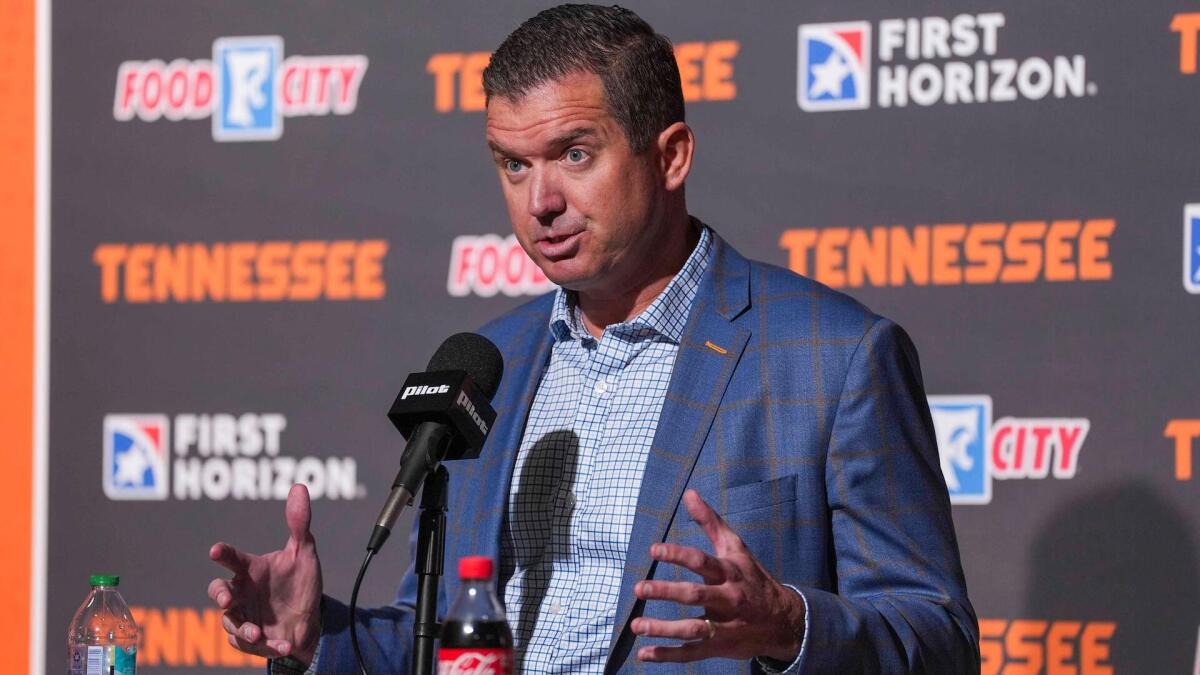
The term sheet, developed by three Tennessee player representatives — graduate student Tyler Lundblade, junior Campbell Duncan, and sophomore DeWayne Brown II — includes a single athletic services agreement, guaranteed minimum pay, postseason and performance bonuses, lifetime medical coverage for catastrophic injuries, a 15-day transfer window, agent fee caps at 5%, and academic protections. Tennessee athletics director Danny White endorsed the concept, calling collective bargaining a "proven model." However, the term sheet is not a binding contract, and the university has not agreed to its terms.
Legal obstacles center on whether public university athletes can be considered employees. Critics cite the National Labor Relations Act's exclusion of state entities and Tennessee court rulings against collective bargaining for public employees without legislative authority. Athletes.org proposes a private, multistate entity funded by member schools as the employer, a structure vetted by litigators including Jim Quinn. The PCSA remains neutral on employee status after Senate Democrats removed a provision barring it.
Political Clock Ticking
The PCSA faces bipartisan opposition: the Congressional Black Caucus condemned it over HBCU funding and employment rights, while 21 House Republicans objected to conference caps and league-switching waiting periods. With a slim Republican majority in the lame-duck session and government funding expiring December 11, a lobbyist told USA Today the bill is effectively dead. SEC commissioner Greg Sankey acknowledged "elections have consequences" and said the conference is preparing for a future with or without the legislation. Athletes.org reports interest from other universities and says Tennessee's football team has privately voted for representation, with expansion plans targeting the SEC.


