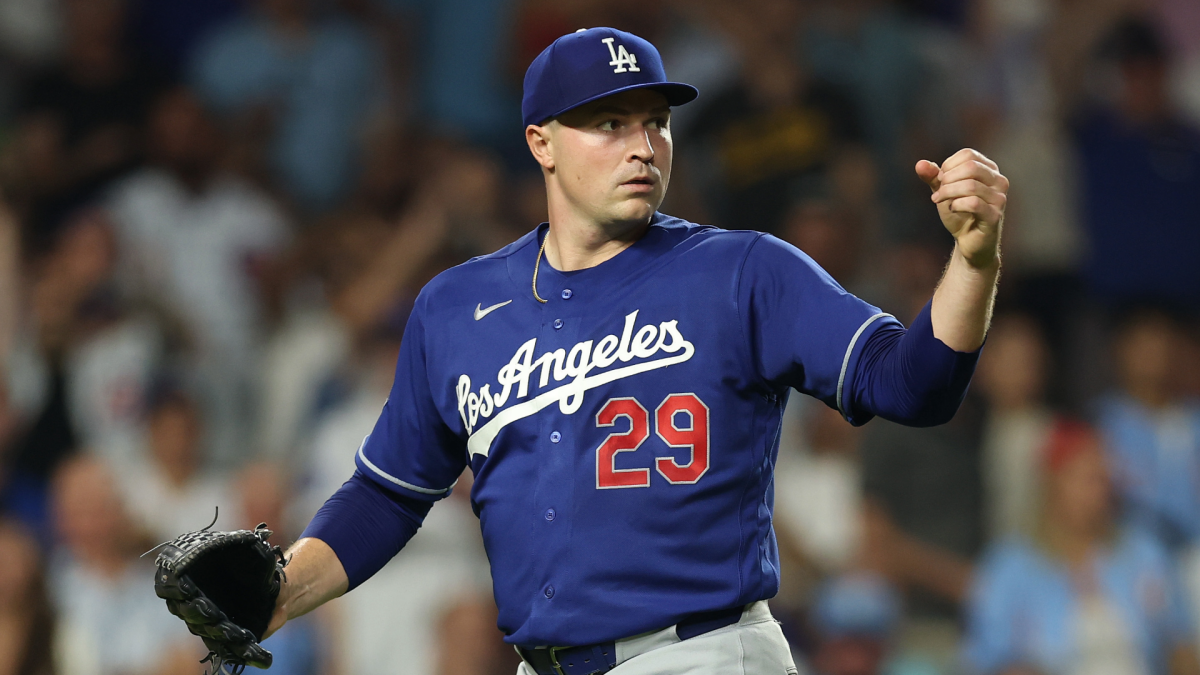
The New York Mets have signed left-hander Tarik Skubal to a nine-year, $450 million contract, a deal that immediately invites discussion about his long-term legacy and potential Hall of Fame credentials. While Skubal is not yet close to Cooperstown enshrinement, his early career trajectory suggests he is on a path that could eventually lead there.
Career to Date
In parts of seven major league seasons, Skubal has compiled a 66-44 record with a 3.02 ERA (138 ERA+), a 1.02 WHIP, and 1,975 strikeouts against only 199 walks in 925⅓ innings. He has led the league in pitcher WAR twice, in ERA twice, in strikeouts once, and in WHIP once. The two-time All-Star is one of just 23 pitchers in history to win multiple Cy Young Awards; only 11 have ever won three. His postseason resume is also strong: across three playoff appearances he is 3-2 with a 2.13 ERA, a 0.79 WHIP, and 70 strikeouts in 50⅔ innings.
However, Skubal still lacks the workload and counting statistics typically associated with Hall of Famers. He has not yet reached the 10 years of service time required for eligibility, needing three more seasons. Statistically similar pitchers through age 29 include Corbin Burnes, Shane Bieber, Kyle Hendricks, Adam Wainwright, and Max Fried — a group that mixes Hall of Fame candidates with very good but not enshrined arms. Skubal's late bloom and a major surgery early in his career complicate direct comparisons.
Future Projection
Over the last three seasons Skubal has gone 43-17 with a 2.42 ERA, 655 strikeouts, 95 walks, and 17.7 WAR in 546 innings. If he averages roughly 6.0 WAR per year through age 35 and then a conservative 2.5 WAR for the remainder of his contract, he could finish with around 66.2 career WAR. That total would place him alongside Hall of Famers such as Don Drysdale, John Smoltz, Carl Hubbell, Ed Walsh, and Don Sutton. Bill James' "Favorite Toy" projection, however, estimates he will finish with about 2,036 strikeouts and gives him virtually no chance of reaching the 3,000-strikeout milestone, projecting roughly 4.6 remaining seasons despite the nine-year deal.
Given his age and service time, Skubal's best route to the Hall may be as a peak candidate rather than a compiler. Another Cy Young award or two would bolster his case significantly. History shows that a relatively short but dominant peak — as with Sandy Koufax, Dizzy Dean, and Félix Hernández — can be enough, though Johan Santana fell short. The author's assessment is that Skubal is good enough now to believe his next several years will put him on a Hall of Fame track, and his hunch is that he will ultimately reach Cooperstown.


